

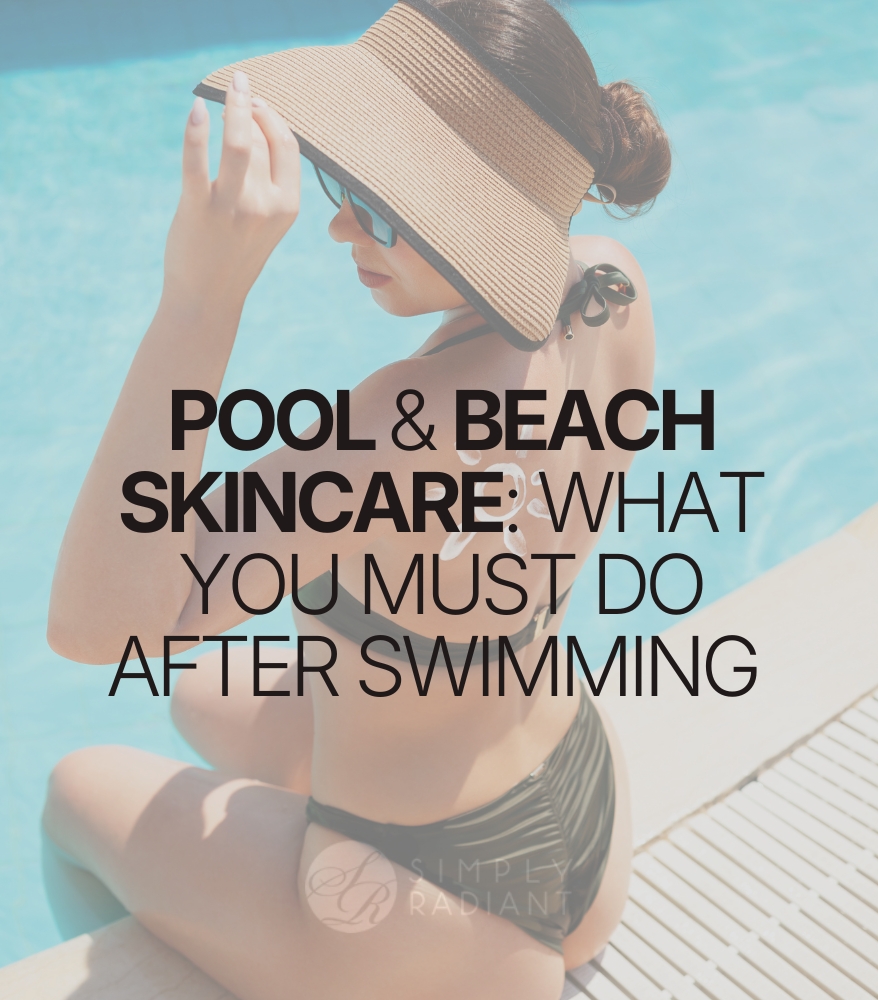
Between the pools, the desert sun, and the occasional Lake Mead day trip, swimming is a big part of life in Las Vegas for a good chunk of the year. But chlorine, saltwater, and sun exposure all take a toll on skin, and what you do in the twenty minutes after you get out of the water matters just as much as the sunscreen you put on before you got in.
Maximize your treatment results by scheduling the right procedures before increased sun exposure and outdoor activities begin.
Rinse Off As Soon As You Can
Both chlorine and saltwater leave residue on skin that keeps working against you even after you towel off. Chlorine strips natural oils from the skin barrier, which is part of why skin can feel tight and dry after a pool day. Saltwater has a similar drying effect and can leave a fine layer of salt that continues pulling moisture out of your skin.
A full rinse with clean, lukewarm water, ideally with a gentle cleanser, removes that residue before it has more time to sit on your skin. Cooler water is generally better than hot; hot water strips away even more of the natural oils your skin needs.
Rehydrate Immediately
Chlorine and saltwater both leave skin dehydrated, and that dryness compounds quickly in a desert climate like Las Vegas, where the air itself is already pulling moisture away. Apply a moisturizer within a few minutes of drying off, while skin is still slightly damp, to help lock in hydration. Look for something with hyaluronic acid or ceramides if your skin tends to feel especially tight after swimming.
Don’t Skip Sunscreen Reapplication
Sunscreen doesn’t survive a swim, even the water-resistant kind. Most water-resistant formulas are only rated to last 40 to 80 minutes in the water before reapplication is needed, and toweling off removes even more of what’s left. Reapply a broad-spectrum SPF 30 or higher every time you get out of the water, not just once at the start of the day.
Watch for Chlorine’s Effect on Recent Treatments
If you’ve had a facial, peel, laser treatment, or injectable recently, pool and ocean water need extra caution. Freshly treated skin is more sensitive and more permeable, which means chlorine and saltwater can cause more irritation than they would on unbothered skin. As a general guideline, wait at least 24 hours after Botox or filler before swimming, and follow whatever specific timeline you were given after a laser or peel treatment, since those can require a longer wait for skin to fully heal.
Address Chlorine Hair and Skin Buildup
If you’re a regular swimmer, chlorine buildup over time can leave skin looking dull and feeling rough, not just after one swim but as a cumulative effect. A gentle exfoliation once or twice a week, along with consistent moisturizing, helps prevent that buildup from becoming a longer-term texture issue. Just don’t over-exfoliate on the same days you’ve been in the pool; give your skin barrier a chance to recover first.
Build a Simple After-Swim Routine
- Rinse with clean, cool-to-lukewarm water as soon as possible.
- Cleanse gently to remove any remaining chlorine or salt residue.
- Apply a hydrating moisturizer while skin is still slightly damp.
- Reapply sunscreen if you’re heading back out.
- Follow any specific aftercare guidance if you’ve had a recent facial, laser, or injectable treatment.
Keep Your Skin Ready for Pool Season
A solid at-home routine goes a long way, but professional-grade products and periodic treatments make a bigger difference against the specific wear and tear of chlorine, saltwater, and Las Vegas sun. Simply Radiant carries professional skincare lines, including Epionce, Avène, and Skinbetter Science, and offers hydrating facials that can help repair and prep skin for a summer full of pool days. Call (702) 274-6559 or book online to talk through a routine that fits your lifestyle.
This blog is for general informational purposes and is not a substitute for personalized medical or dermatological advice.